What Affects Uniform Cost? A Guide for Bulk Order Buyers
Custom Uniforms team · · 4 min read
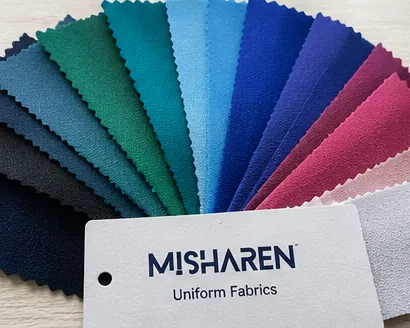
Uniform cost in a bulk order is shaped mainly by the fabric, the complexity of the style, the embroidery and labels, the quantity and size mix, and delivery. Each of these is a choice you can influence. Understanding what affects uniform price lets you decide where to spend and where to simplify, without ending up with a uniform nobody wants to wear.
Fabric: the biggest single factor
Fabric is usually the largest part of a uniform’s cost. Several things move it:
- Fibre content. Cotton, polyester and blends are priced differently, and the right one depends on climate, washing and comfort.
- Weight. Heavier fabric uses more material per metre and generally costs more.
- Stretch. Fabrics with added stretch tend to cost more than rigid ones.
- Colour. Common shades may be readily available, while a custom shade can mean a separate dyeing run.
- Special finishes. Finishes applied by the fabric mill add cost. If a supplier mentions one, ask for the fabric specification so you know what you are paying for.
Our guide on how to choose scrub fabric explains the trade-offs for medical wear.
Style and construction
Two scrub tops in the same fabric can cost quite differently. The difference is in how they are built.
- Number of panels. A simple top with a front and back is quicker to cut and stitch than one with side panels, yokes or princess seams.
- Pockets. Every pocket adds cutting, stitching and finishing time.
- Closures and trims. Buttons, zips, snaps, elastic and drawcords each add material and labour.
- Collars and cuffs. A school shirt with a proper collar and cuffs takes longer than a t-shirt.
- Contrast details. Piping or contrast panels look smart but need extra steps.
Simplifying a style slightly, for example two pockets instead of four, can make a real difference across a large order.
Embroidery, printing and labels
Branding is often where costs build up quietly.
| Branding choice | Why it affects cost |
|---|---|
| Logo size and detail | Larger, denser logos take more stitches and machine time |
| Number of positions | A chest logo plus a sleeve badge plus a back print is three separate operations |
| Thread colours | Each colour change adds time on the machine |
| Individual names | Every name is a separate set-up and has to be checked for spelling |
| Own brand, size and care labels | Labels have their own cost, and sewing them in adds a step |
| Embroidery set-up | Converting a logo into a stitch file is a one-off cost per design |
Keeping one logo in one standard position across all garments is a simple way to control this part of the cost.
Quantity, sizes and order structure
Quantity. Larger orders usually bring a lower unit price, because set-up costs are spread across more garments. Very small orders carry more of those costs per piece. Our post on minimum order quantities explains why.
Size mix. Larger sizes use more fabric. An order weighted towards the largest sizes will cost more than one with the same count in mid sizes. Some manufacturers price extended sizes separately.
Number of variants. Five colours in small quantities each cost more to produce than two colours in larger quantities, even when the total count is the same.
Samples. A sample takes the same work as a production garment, but alone. Some manufacturers charge for it; it should be stated in the quote either way.
Delivery and, for international orders, import costs
Within India, delivery cost depends on weight, volume and distance. For buyers abroad, shipping is a bigger factor and depends on the method. Air courier is quicker and generally costs more per kilo; sea freight suits larger quantities that can wait longer.
On top of shipping, international buyers usually pay import duties, VAT or other taxes and clearance charges at their end. These vary by country and product, so check them with your customs broker or freight forwarder before you compare total costs. Our international ordering page explains how we quote for buyers outside India.
Managing uniform cost without cutting quality
A few practical ways to keep the total sensible:
- Decide what matters most. Comfort and wash life are usually worth paying for; an extra decorative panel may not be.
- Standardise styles. One scrub top style across roles, with colour as the difference, is cheaper than several styles.
- Limit colours and branding positions. Each one adds cost.
- Order for the year. Including spares and expected new joiners in one order is cheaper than several small top-ups.
- Collect sizes properly. Wrongly sized garments are the most expensive ones in any order, because they have to be remade.
- Compare quotes line by line. Make sure each supplier has quoted the same fabric, the same style and the same branding. Our guide to comparing school uniform quotes shows how.
How we quote for bulk orders
We make uniforms to order at our unit in Konni, Pathanamthitta, Kerala, so the price reflects the fabric, style, embroidery and labels you choose. Each quote states the minimum order and lead time, and any sample charge. For international orders, shipping is itemised in the quotation; import duties, VAT or taxes and clearance charges are paid by the buyer unless agreed otherwise in writing. Payment is by bank transfer on terms agreed before confirmation.
Send us your garment list, quantities and branding details through our contact page for a quote you can compare clearly.