Uniform Reorders: Keeping Colour, Fit and Logo Consistent
Custom Uniforms team · · 4 min read
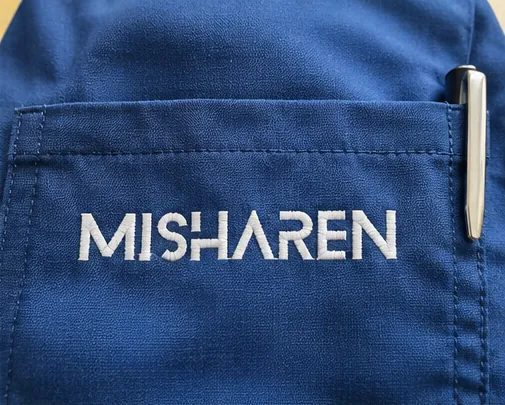
Uniform reorders stay consistent when the original order is properly recorded and every new batch is made and checked against the same reference. Most mismatches come from details that were never written down: the exact fabric, the shade, the embroidery file, the size chart. Put those on record once, keep an approved garment, and the uniform you order next year can sit beside this year’s without anyone noticing a difference.
Why reorders drift
When a new batch of uniforms does not quite match the old one, the cause is usually one of these:
- A different fabric. The same colour name in a different blend or weight looks and feels different, and washes differently.
- A new dye lot. Even with the same fabric, shades can vary slightly from one dyeing run to the next.
- A changed embroidery file. The logo is re-digitised, or thread colours are picked again from a screen, and the badge comes out a little larger, thinner or brighter.
- Pattern changes. A slightly different pattern or size chart shifts fit, sleeve length or pocket position.
- A change of supplier. A new maker starts from a photo of the old garment instead of the actual specification.
- Lost information. The person who placed the first order has moved on, and nobody knows what was agreed.
Each of these is avoidable with good records on both sides.
What to keep on record
Think of this as the uniform’s specification file. Your manufacturer should hold one, and you should keep your own copy.
| Record | What it should include |
|---|---|
| Fabric | Fibre content, weight and fabric reference, plus a swatch |
| Colour | Colour name or reference for each garment, and a cut swatch of the approved shade |
| Style | Approved sample reference, neckline, pockets, closures and any trims |
| Embroidery | The stitch file reference, size, position and thread colours |
| Labels | Brand, size and care label versions and their positions |
| Sizes | The size chart with measurements, and the size breakdown of each past order |
| Order history | Order references, dates and quantities |
Store photos of the approved sample laid flat, front and back, with a ruler alongside the logo. They are useful when a question comes up by phone or message.
Keep a reference garment
The single most useful thing you can keep is one approved garment of each style and colour, unworn and unwashed, labelled with the order reference. When a reorder arrives, put the new piece next to it in daylight and compare colour, logo size and position, and overall fit.
A washed garment from daily use is not a fair comparison, since colours soften with laundering. That is why the stored piece should never go into circulation. Our post on why sample approval matters explains how the approved sample becomes the standard for the whole order.
Plan around dye lots
Small shade differences between fabric batches are a normal part of textile production. You can reduce their effect:
- Order a full group at once. If an entire department or class is outfitted from one batch, nobody stands next to a colleague in a visibly different shade.
- Include spares in the main order. Spare sets for new joiners, cut from the same fabric, match exactly.
- Ask for the new fabric to be checked first. For a large reorder, ask your maker to compare the new fabric against the stored swatch before cutting.
- Keep colours simple. Fewer, well-defined colours are easier to match than a wide palette of subtle shades.
Placing a reorder that matches
When it is time to reorder, give your manufacturer everything they need in one message:
- The original order reference and date.
- Styles, colours and quantities by size.
- Any names or titles to be embroidered, checked for spelling.
- Any change you do want, stated clearly, such as a new department colour.
- The date you need the garments.
If you are changing something, ask for a sample of the changed item. If nothing is changing, say so plainly, so the order is made to the existing record.
Schools face a particular version of this problem mid-year, when new admissions need uniforms that match the rest of the class. Our guide to mid-year school uniform reorders covers that situation.
Checking the new batch
When the reorder arrives, do a short check before distributing:
- Compare a few pieces from each carton with your reference garment.
- Check logo size, position and thread colours.
- Measure one garment in each of two or three sizes against the size chart.
- Look at labels, especially if you sell under your own brand.
Report any difference quickly, with photos taken next to the reference piece.
How we keep uniform reorders consistent
At our unit in Konni, Kerala, every order is made to order and the details are kept on record: fabric, colour, style and size breakdown. When you reorder, quoting your original order lets us work from the same specification, so the new batch matches the first. If a change is needed, a sample can be made before bulk production, with any sample charge stated in the quote.
For ongoing supply, see how we work with hospitals and clinics and schools, or send your reorder details.