Matching Your Existing School Uniform Fabric and Checks
Custom Uniforms team · · 5 min read
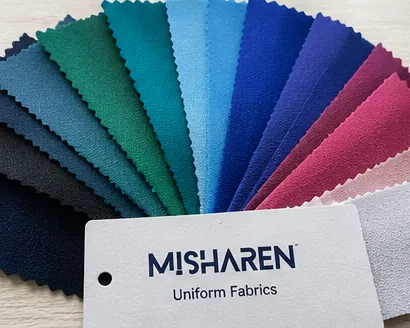
To match your existing school uniform when changing supplier, send the new maker a current uniform piece, let them source fabric to the same colour, check pattern and weight, and approve a fabric swatch and then a stitched sample before bulk production. A close match is usually possible, but small shade differences between dye lots are normal, so the school should decide in advance how close is close enough. This guide explains how matching works and what the school should do at each step.
Why schools change supplier but keep the uniform
Schools often want a new supplier for practical reasons: delivery problems, a supplier closing, or parents unhappy with stitching. They rarely want a new uniform, because parents already own sets and students in the same class should look alike. The challenge is to switch makers without the new batch standing out in the classroom.
What the new supplier needs from you
The single most useful thing you can send is a real garment.
- A current uniform piece in good condition. A shirt, skirt or pinafore from recent stock, not a faded one from three years of washing. If the shirt and bottoms use different fabrics, send one of each.
- A clear photo in daylight, as a backup and for quick discussion on WhatsApp.
- Any old fabric details you have: the mill name, quality name or composition from an earlier invoice or label.
- Notes on what to keep and what to improve. If parents found the old fabric too heavy or too quick to fade, say so now.
A photo alone is not enough for colour. Phone cameras and screens shift colours, especially blues, greens and maroons. Our post on choosing school uniform colours explains why some shades are harder to reproduce than others.
How fabric and colour matching works
The supplier compares your garment against fabrics available from mills and dealers. For a plain colour, they look for the same shade, weave and weight. For a fabric that is not available off the shelf, the closest shade is chosen and compared carefully.
Matching is done in daylight or under consistent light, never only under shop tube lights. Put the swatch on top of your garment, not beside it on a table, and look from a normal distance as well as close up.
Matching check patterns
Checks are harder than plain colours, because several things must match at once:
- Colours of each stripe in the check.
- Size of the repeat, meaning how often the pattern repeats across the fabric.
- Width of each stripe relative to the others.
- Weave, which affects how the colours blend when seen from a distance.
A check that looks identical from a metre away may differ when held side by side. Decide which matters more to your school: an exact match close up, or a match that looks the same across a classroom. Common check patterns are often available from mills; unusual ones may need the closest available option.
Shade variation is normal
Even with the same fabric from the same mill, each dye lot can vary slightly. Your current uniforms have also faded with washing, so a new garment will often look a little brighter next to an old one at first.
Set a sensible standard with your supplier:
- Compare against a garment in good condition, not a worn one.
- Agree on a reference piece that both sides keep.
- Accept that a fresh garment and a washed garment will look slightly different.
- Ask the supplier to cut a whole order from one fabric lot where possible, so all new garments match each other.
Our guide to keeping uniforms consistent across reorders explains dye lots and reference garments in more detail.
Approving the swatch, then the sample
Approve in two stages:
- Fabric swatch approval. The supplier sends a piece of the proposed fabric. Check colour, check pattern, weight and feel against your reference. Sign or confirm the approved swatch in writing and keep a piece of it.
- Stitched sample approval. A full garment in the approved fabric, with the badge, so you can check how the colour looks in a finished uniform, along with fit and stitching. Wash it once at home and compare again.
The school uniform sample approval checklist gives a full list of points to check at this stage.
Telling parents about the change
If the new supplier’s uniform is very close but not identical, let parents know. A short note saying that the school has changed supplier, that the uniform remains the same, and that existing sets can continue to be worn avoids worried questions in the first week. Parents can mix old and new pieces while their children grow out of the older sets.
Common mistakes when switching supplier
- Sending only a photo, or a badly faded garment, as the reference.
- Approving a swatch under indoor lighting only.
- Skipping the stitched sample because “the fabric matched”.
- No written record of the approved swatch.
- Expecting new and old garments to look identical on day one.
Keep the match for the future
Once the match is approved, it becomes the new standard. Keep the approved swatch and a sample garment in the school office, and make sure your supplier records the fabric details. Mid-year admissions and next year’s order should then follow the same reference; our guide to mid-year school uniform reorders covers this.
Send us your current uniform
We make school uniforms to order at our unit in Konni, Pathanamthitta, Kerala. Send us a current uniform piece or a photo, and we source fabric to match the colour and check pattern, with a fabric swatch for your approval before stitching. We then make one paid sample set, whose cost is credited against your bulk order, and keep your fabric, pattern and size details on record so reorders match the uniforms already in use. The minimum order is 30 sets with mixed sizes allowed.
See our school uniforms page, then send your requirement on WhatsApp or through the quote form.